






SOUTH KOREA TOUR PACKAGES
 - RM674*
From RM5,999.00
+ 1,174.00*
 - RM414*
From RM5,799.00
+ 1,214.00*
 - RM414*
From RM6,199.00
+ 1,214.00*
 - RM474*
From RM4,399.00
+ 1,074.00*
 - RM314*
From RM6,599.00
+ 1,214.00*
 - RM474*
 - RM300*
From RM12,999.00
+ 1,098.00*
 - RM414*
From RM6,199.00
+ 1,214.00*
 - RM1,214*
From RM6,999.00
+ 1,214.00*
 - RM1,174*
From RM4,999.00
+ 1,174.00*
 - RM674*
From RM5,199.00
+ 1,174.00*
 - RM335*
From RM6,399.00
+ 1,214.00*
TOP 6 ACTIVITIES TO DO IN KOREA
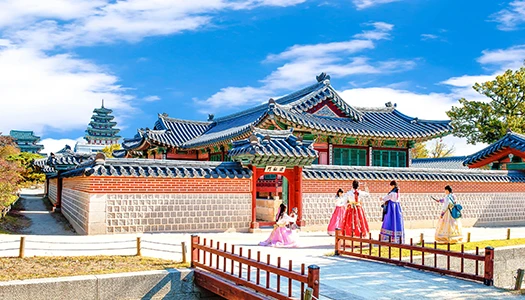
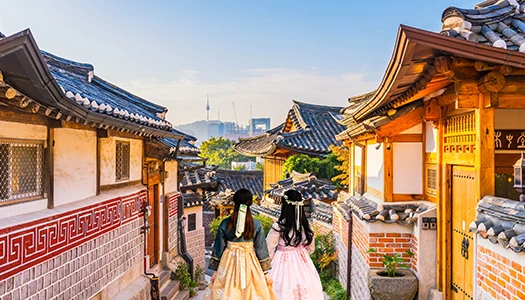
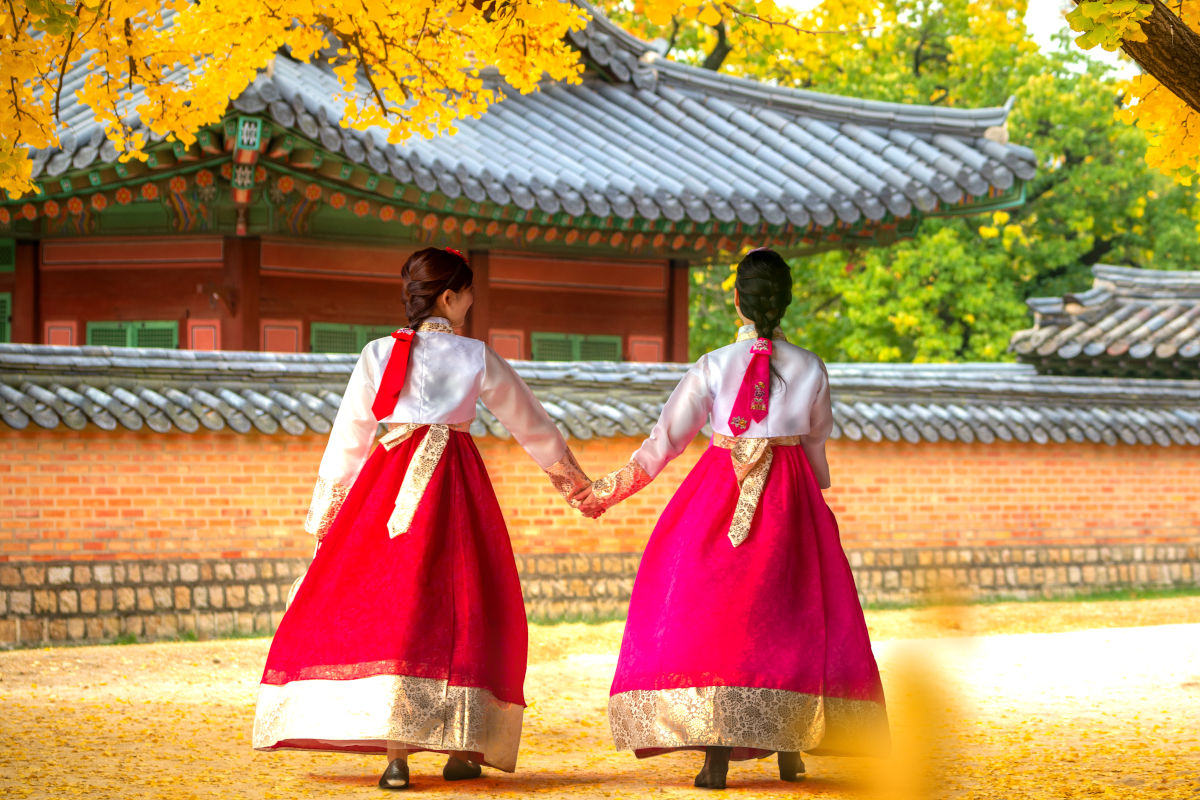
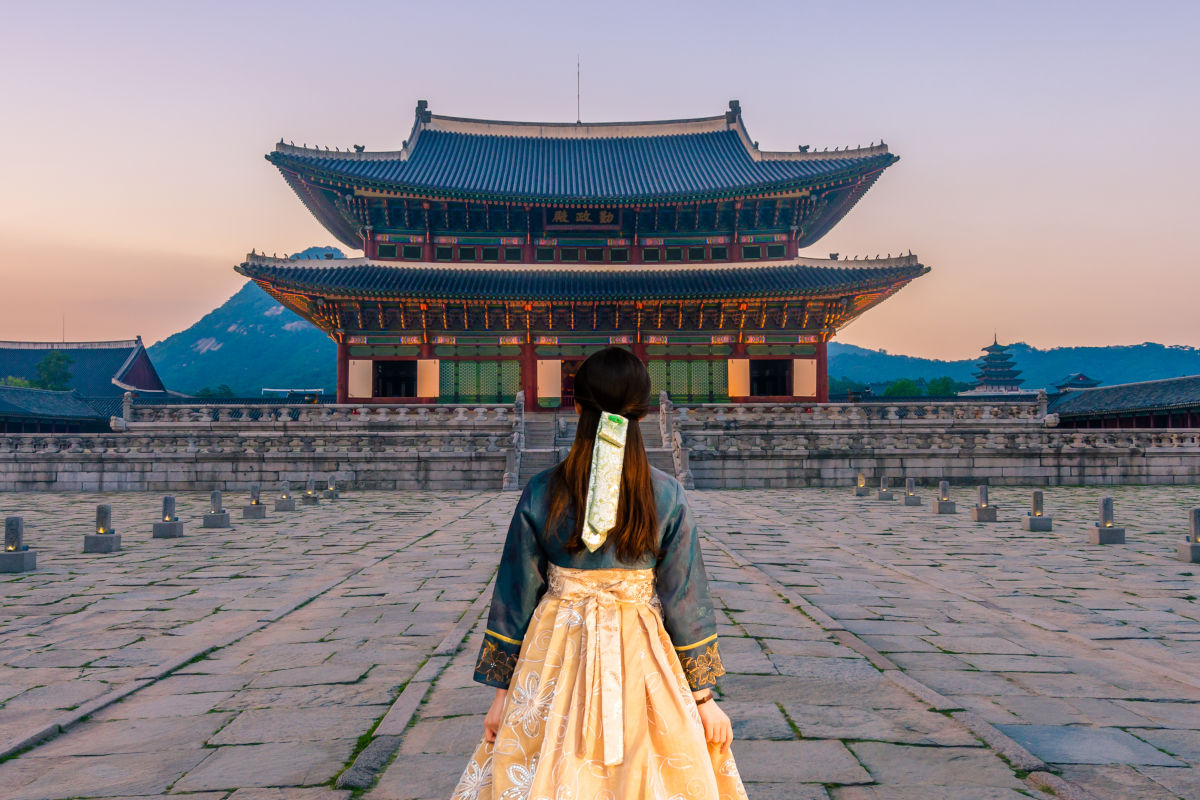
1. HANBOK EXPERIENCE IN SEOUL
Discover Korea’s rich heritage AND look good in traditional hanbok attire!
Once reserved for special occasions, hanbok have become a must-try Seoul experience, with rentals often including hairstyling and accessories.
Capture stunning selfies at iconic spots like Gyeongbokgung Palace, Changdeokgung Palace and Bukchon Hanok Village – all while looking your hanbok best!
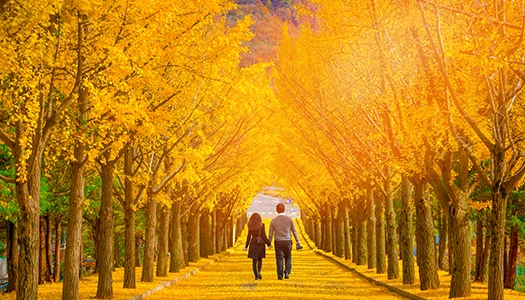
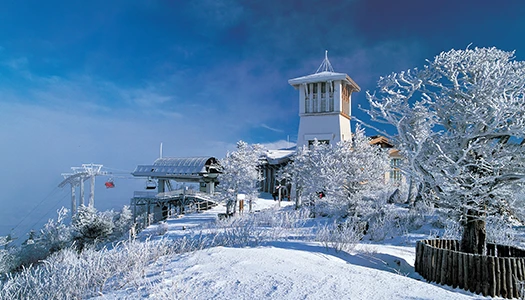
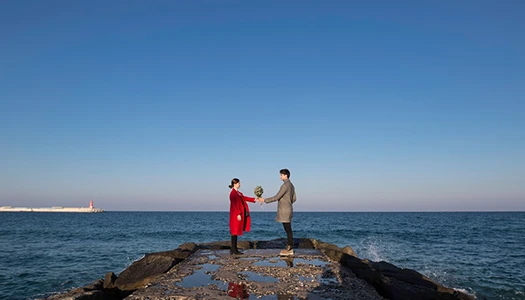
2. LIVE OUT YOUR K-DRAMA FANTASIES IN GANGWON!
Say annyeonghaseyo to your fav K-drama locales! Whether it’s actual filming spots or simply romantic stops, K-dramas are but a step away in Gangwon Province:
Nami Island: A popular retreat, this island’s tree-lined paths were made famous by Winter Sonata.
Yongpyong Resort: A vast ski resort full of white, wintry slopes that were featured in Goblin.
Jumunjin Beach: As seen in Goblin, this magical coast is full of picture-perfect waves and selfie spots.
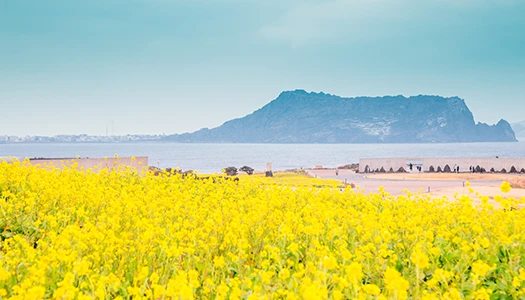
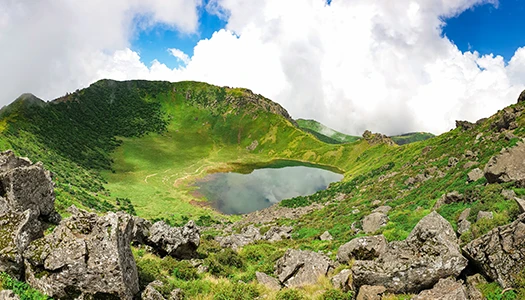
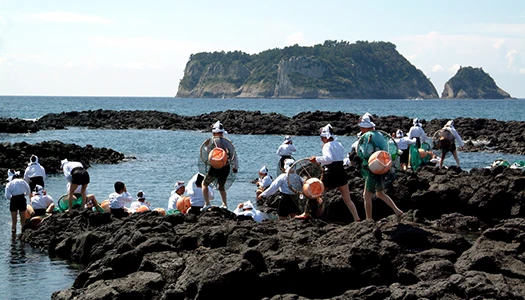
3. JOM JEJU ISLAND – UNESCO TRIPLE CROWN!
Jeju Island is an island rich in volcanic landscapes and unique local culture, earning it the UNESCO triple crown of World Heritage site, Global Geopark and Biosphere Reserve.
At its heart stands Mount Hallasan, Korea’s highest peak and a haven of diverse ecosystems and hiking trails.
Along the coast, the Seongsan Ilchulbong crater offers breathtaking sunrises. Down below, the Manjanggul Cave is a series of otherworldly lava tubes.
Jeju is also home to distinct traditions like the female Haenyeo divers, who freedive to catch seafood without oxygen tanks.
4. PICK FRESH, SEASONAL FRUITS!
Savor Korea’s freshest flavours first-hand with some hands-on fruit picking!
Winter & Spring (Nov–May)
Strawberries
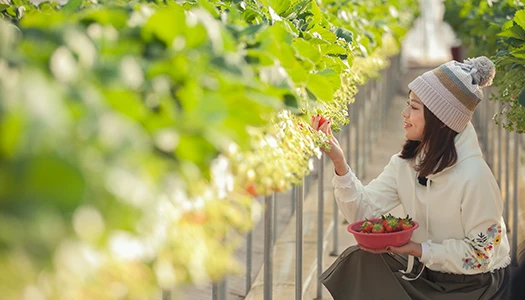
In Gyeonggi and Gangwon, warm greenhouses ensure sweet, juicy strawberries even in colder months.
Summer (Jun–Aug)
Berries & Stone Fruits
In Gangwon, cool highland farms offer blueberry picking alongside peaches, plums, grapes and watermelons.
Autumn & Winter (Sep–Dec)
Jeju Tangerines
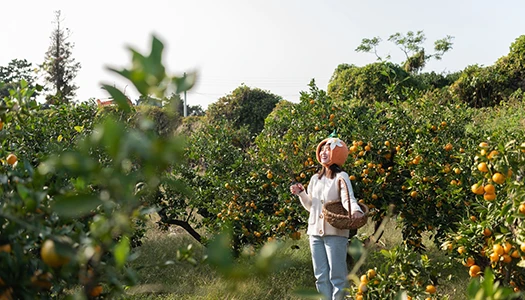
On Jeju Island, citrus farms let you pick fresh tangerines right next to ocean views and volcanic vistas.
5. MINGLE WITH ALPACAS!
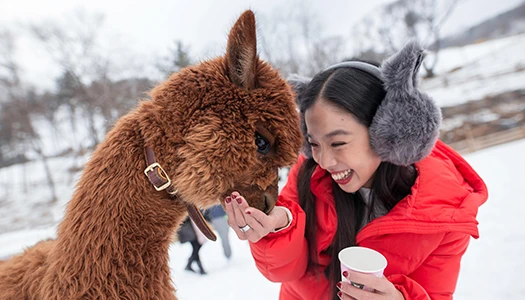
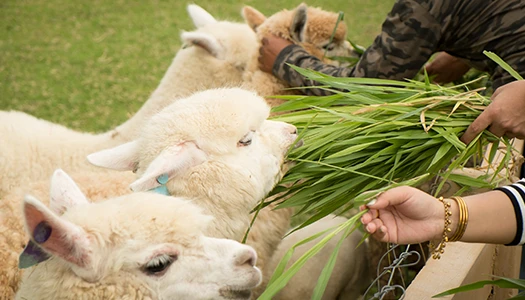
Alpaca World lets you experience the charm of alpacas at Korea’s largest alpaca farm.
Among peaceful mountains, visitors can enjoy their popular alpaca forest walk experience as well as the Alpaca Playground and Birds’ Garden.
Besides alpacas, the park is also home to deer, rabbits, goats, camels and birds of prey.
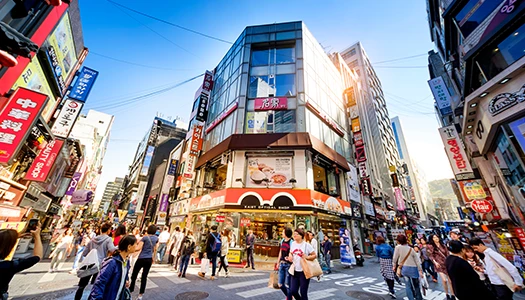
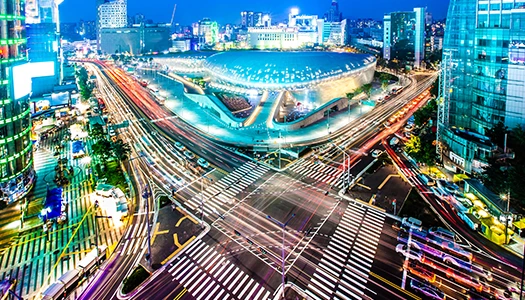
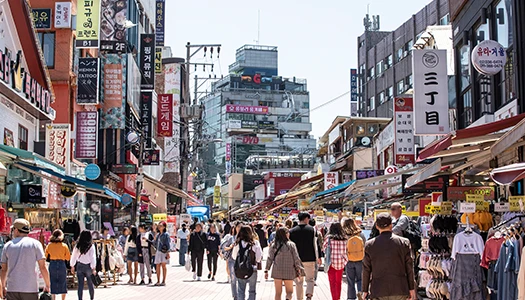
6. SHOP TILL YOU DROP!
Seoul is called Asia’s shopping paradise for good reason: street markets, K-boutiques and luxury malls offer everything a shopper could ever ask for!
Myeongdong: K-beauty, hip fashion and street eats
Dongdaemun Design Plaza: Fashion and wholesale malls, open till late
Hongdae: Indie fashion, youth culture and street performances
Gangnam District: Luxury designer brands and premium malls
FOUR SEASON FIESTA
See another side of Korea with these season-exclusive delights!
Cherry Blossom Season
(Spring: Late March – Early April)
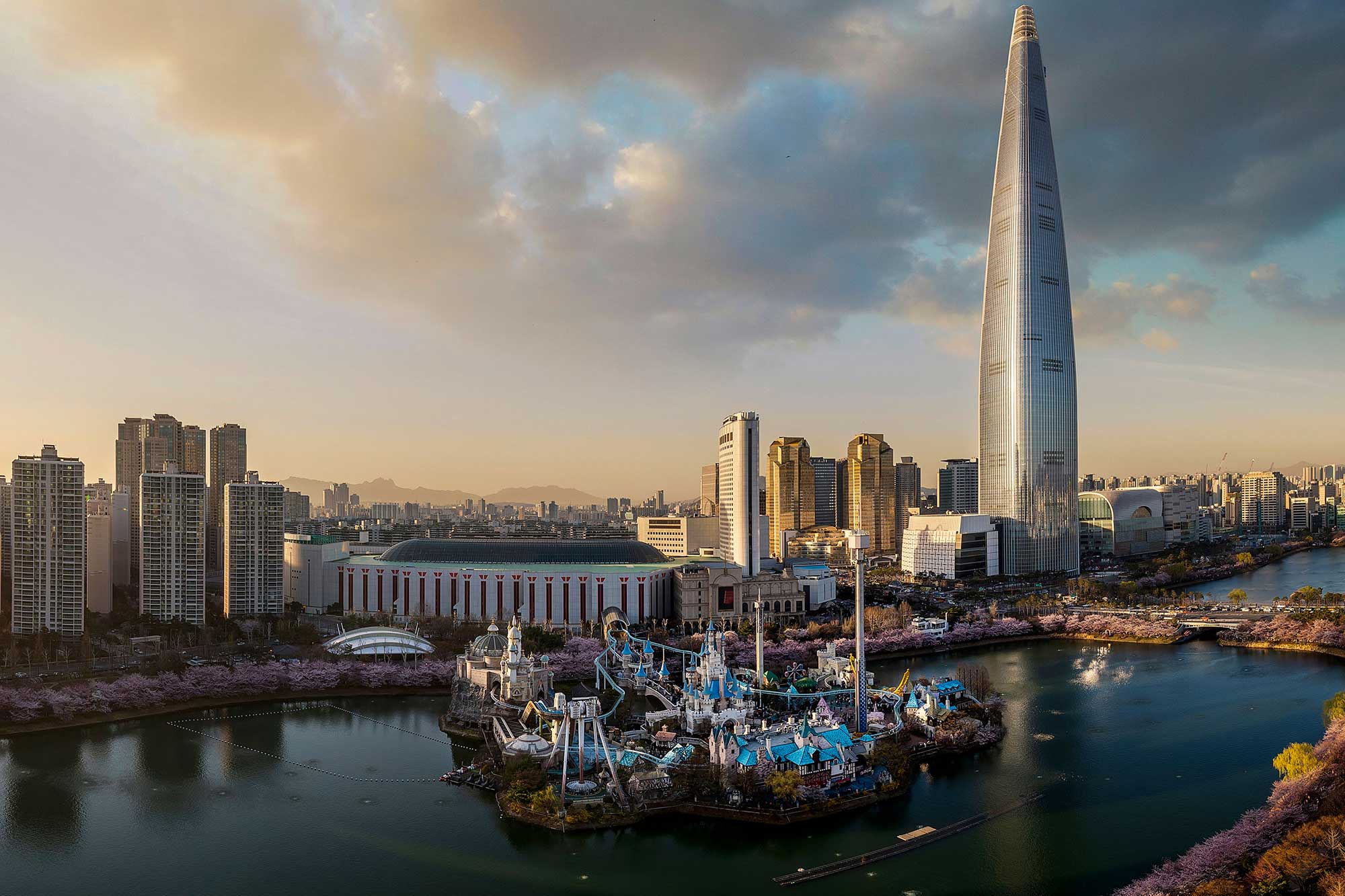
Each spring, Korea blooms into a stunning pink panorama of cherry blossoms. Famous spots include the Jinhae Cherry Blossom Festival and its 220,000 trees or the cherry blossom tunnels at Yeojwacheon Stream and Gyeonghwa Station.

Hwacheon Tomato Festival
(Summer: August)
Since 2003, the Hwacheon Tomato Festival has celebrated this beloved fruit (or vegetable) and the region’s dedicated tomato farmers with treasure hunts, swimming pools and tons of tomato-related activities!

Gimhae Jinyeong Sweet Persimmon Festival
(Autumn: October – November)
Gimhae Jinyeong Sweet Persimmon Festival highlights the region’s super sweet persimmons with fun activities like tastings, markets, competitions and other family-friendly activities.

Hwacheon Sancheoneo (Mountain Trout) Festival
(Winter: January)
Held atop a frozen river, the Hwacheon Sancheoneo Festival’s main event is ice fishing for cherry salmon, before eating them grilled or raw! Skating, sleighing and cultural events are also featured.

Boryeong Mud Festival
(Summer: July – August)
Held at Jeju Island’s Daecheon Beach, the Boryeong Mud Festival uses mineral-rich mud to host mud wrestling, mud slides and mud baths. Of course, there’s K-pop concerts, beach parties and fireworks too!
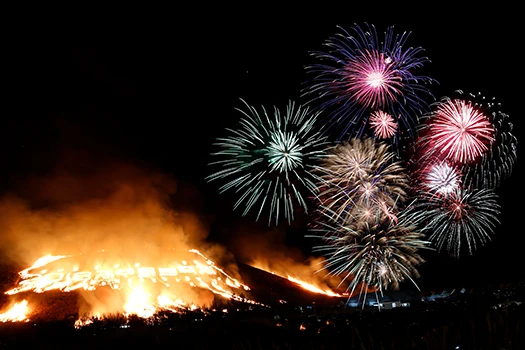
Jeju Fire Festival
(Spring: March)
The Jeju Fire Festival celebrates traditional farming culture and seasonal renewal via controlled hillside burns that create a fiery dance across the night sky. Parades, performances, fireworks and food stalls are everywhere too.
SOUTH KOREA’S FOUR FAMOUS SPECIALTIES
01.
KIMCHI
Kimchi was originally created to preserve vegetables for the winter months by pickling cabbage in salty brine. Through the addition of spices and seasonings such as chilli pepper, it quickly became the world-famous kimchi we know today!02.
GINSENG
Since ancient times, Korean Ginseng has been used as a traditional folk remedy and celebrated as the “King of Herbs”. Compared to other ginseng varieties, Korean Ginseng has more concentrated ginsenoside compounds.03.
JEJU BLACK PORK
Native to Jeju Island, the Jeju Black Pig sports an all-black coat and is prized for its tasty, nutritious meat and tough fat. Traditionally raised free roaming with a long growth cycle, it can grow up to 100kg in a single year.04.
SEAFOOD
Blessed by bountiful seas, Korea is a haven for seafood lovers. Seaside cities like Jeju and Busan practically live and breathe seafood! Grilled, stewed, fried or even raw – there’s always a place for seafood on the Korean table.
KOREAN TABLE MANNERS
AVOID TALKING
Koreans traditionally believe that meals should be quiet and focused on the food instead of distracting conversations.
KEEP BOWLS ON THE TABLE
Leaving your bowls on the table and using chopsticks or spoons to carry food to mouth is a sign of class in Korea.
DRINKING TIPS
- Never pour alcohol for yourself, wait for others to offer first. Remember to pour for others as well!
- Let seniors or elders drink first. When drinking yourself, toast them first.
- Use both hands to hold the bottle when pouring for others.
- Wait for others to finish their glass before offering to refill.
- For non-drinkers, accepting toasts but not drinking is acceptable.
MUST-TRY KOREAN CUISINE

BEONDEGI
Beondegi or silkworm pupa has a baked crust that contains a stuffing of noodles, greens or meats. Challenging, but worth a try!

GAEBUL
Gaebul is a sea worm known for its highly unusual shape and texture. Chewy and sweet, it’s frequently served as a bar snack.

AGWI-JJIM
Agwi-jjim or monkfish is frequently called the ugliest seafood. But, once cooked with spices and soybean sprouts, it’s absolutely delicious!

MEONGGE
Round, bumpy and orange - meongge or sea pineapple has a spongy skin that hides a sweet flavour and bitter aftertaste.

HWANGTAE
Hwangtae or yellow pollack is made by repeatedly freezing and thawing Alaskan pollack outdoors for months. This yellow, mellow fish is often found in hangover soups.
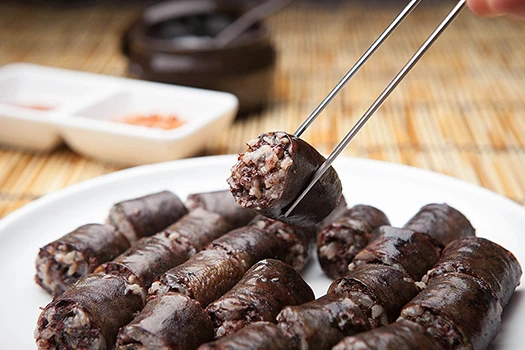
SUNDAE
(BLOOD SAUSAGE)
Sundae is a popular Korean street food made by steaming pig or cow intestines filled with glass noodles and savoury ingredients.
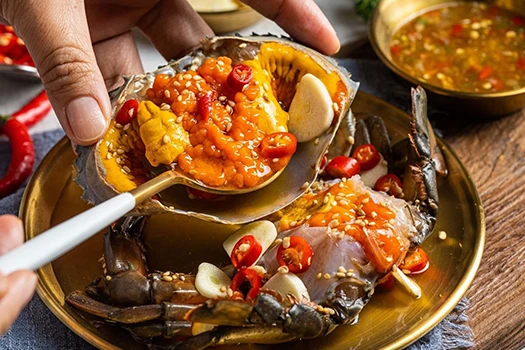
GEJANG
Gejang or gejeot is a traditional fermented crab dish made by marinating raw crabs in soy sauce or chili sauce.
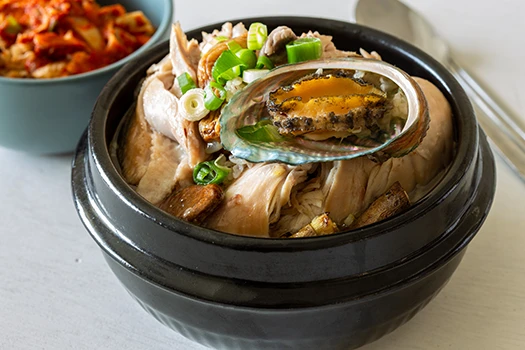
SAMGYETANG
A traditional cooling, rejuvenating summer dish, samgyetang is a soup made by stuffing and simmering a whole chicken with glutinous rice and various herbs like ginseng.
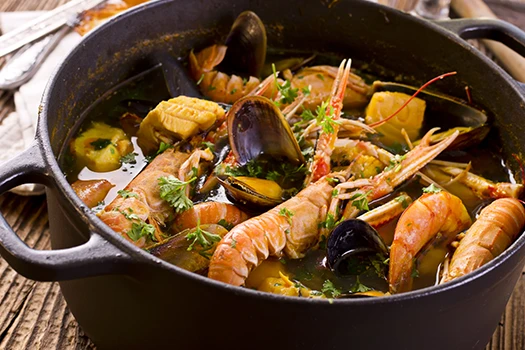
HAEMULTANG
Haemultang is a stew made with fresh seafood simmered together with vegetables, herbs and spices in a bold, spicy broth.
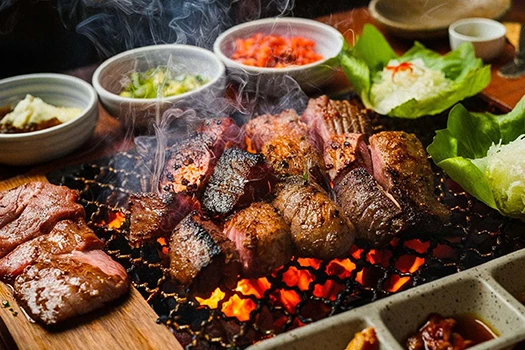
KOREAN BBQ
Korean BBQ is a dining classic that involves grilling meats like bulgogi (marinated beef or pork) and samgyeopsal (pork belly) alongside various side dishes and vegetables.