How will agrotourism and ecotourism flourish in Malaysia?
IN the past two years, I have been taking my travel buddies to tourist attractions across the country. In doing so, I have discovered that many young Malaysians have returned to their hometowns to start their own agrotourism and ecotourism businesses.
The thing is, though, most of them do not have much industrial experience to sustain the businesses. I believe agrotourism operators in the country are in need of a strategic integration of resources.
There are plenty of successful rags-to-riches instances in agrotourism and ecotourism around the world, and the sustainable business models they created are what we can emulate here ourselves.
In and around Grasse, France, a confluence of soil, sun and temperature nurtures the roses, jasmine and other flowers that make this town a perfume capital.

Grasse is 20km from the coastline and enjoys a warm climate, making it suitable for growing many kinds of flowers like jasmine and rose, which are key ingredients in the town’s 30-tonne annual perfume production. This town plays host to nearly two million domestic and international visitors annually, creating an industry worth over €1bil (RM4.75bil).
Why do tourists come and spend their money here? The answer lies with the town’s successful integration of floriculture with travel experiences. There are more than 30 perfumeries in Grasse which have forged a strong strategic alliance with flower farms across the region to create unique experiences for travellers.
Anyone interested in the making of perfumes get to try it themselves, including processing the flowers and essential oils. Such an experience can be really rewarding to a tourist.
Additionally, visitors also get to savour delicious and fresh farm-to-table meals.
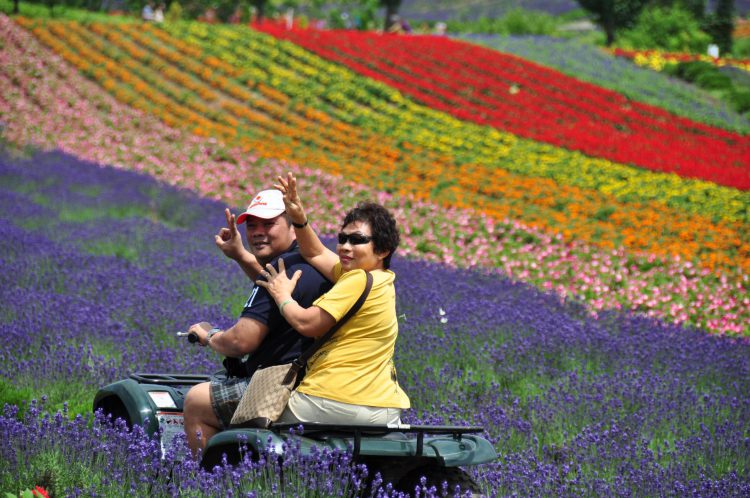
Meanwhile, Furano in Hokkaido is known for its lavender flower farms and rolling hills in northern Japan. Accommodations are often fully booked throughout the summer month when lavender and other flowers are in full bloom, while rooms for tour groups may have to be reserved a year in advance.
Furano and its surrounding areas of Biei, Asahikawa and Yubari have worked together to create a series of attractions that fit any of these themes: rolling hills, countryside, flower and vegetable farms, delicious cuisines, and honeymoon paradise. The area is famous for other products including the Calbee potato chips, lavender ice cream, cherries and Yubari melons.
Furano was a poor town in the 1970s and 1980s. It is said that local farmers had put all their energy into working their land back then. They cultivated their farms with corn, potato, sunflower and rapeseed. The whole terrain is now blanketed in multi-coloured flower beds, turning Furano into an agrotourism wonder.
At one point, farmer Tomita-san brought in the first batch of lavender seeds from Provence, France, for experimental cultivation in Furano. He succeeded, and then began a small lavender essential oil base in town. Soon after, Furano became synonymous with lavender flowers.
On top of that, the famous TV series Kita no Kuni Kara (1981 to 2002) was set in Furano. Since the show’s debut, Furano has become popular with filmmakers and TV production houses. The town hosts some five million local and foreign tourists each year.
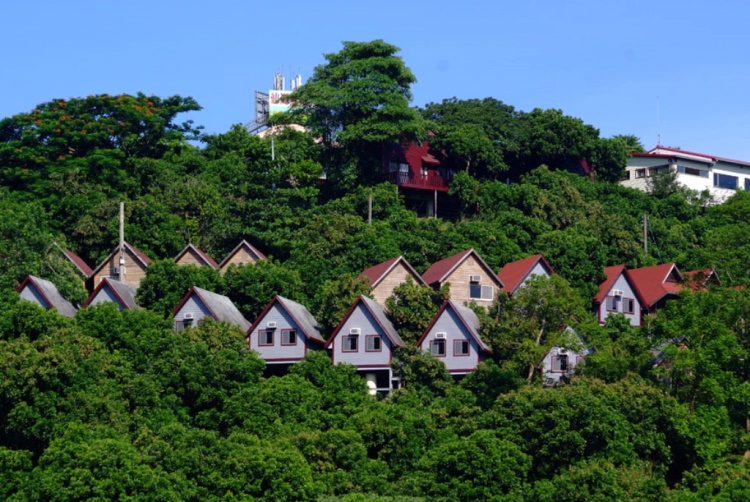
Elsewhere, in 1998, a group of Taiwanese farmers came together to set up the Taiwan Leisure Farming Development Association with the sole objective of integrating peripheral agricultural resources. Several years later, they managed to boost their industrial value tenfold. Today, 400 leisure farms across the island are playing host to over 12 million domestic visitors as well as 400,000 from other countries.
And if that’s not enough, even the farmers’ children and grandchildren are now back at the farms, helping to develop and grow the businesses.
Travel will remain an indispensable part of many people’s lives post-pandemic. But I do believe that travellers will start looking for attractions that incorporate sustainable practices in their business models, which is set to remain a trend in years to come.